
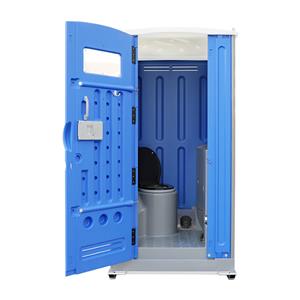
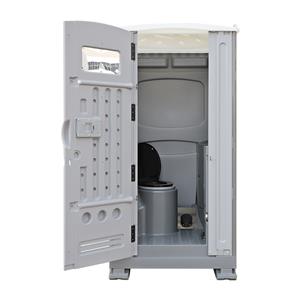
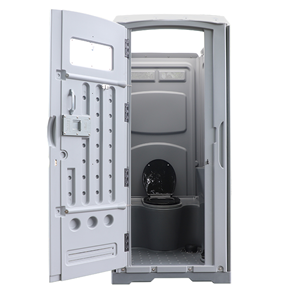
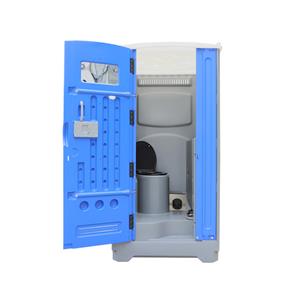
De HDPE-technologie achter echt toegankelijke mobiele sanitaire voorzieningen.
Combineer toegankelijke units met standaardmodellen om zowel aan de regelgeving als aan de kostendoelstellingen te voldoen.
Het rolstoeltoilet wordt hier een flexibel hulpmiddel dat zonder speciale hanteringsvoorschriften bij verschillende projecten kan worden ingezet.
Gemeentelijke en publieke sector
Voor langdurige publieke implementaties:
De keuze voor varianten zonder doorspoelen en met hergebruik van water wordt afgestemd op de beschikbaarheid van water en de milieuregelgeving.
Focus op vandalismebestendige eigenschappen, veilige sloten en duurzaam HDPE.
Stem de kleuren en de huisstijl af op de identiteit van de stad of het park om correct gebruik en herkenning te bevorderen.
OEM-klanten kunnen speciale lijnen voor de publieke sector bouwen met hetzelfde basischassis voor mobiele toiletten, maar met verschillende merkpakketten.
Ervan uitgaan dat "groter gelijk staat aan toegankelijk" zonder de interne draairuimte, de afmetingen van de deuropening en de plaatsing van de handgrepen te controleren.
Het kiezen van onbekende kunststoffen om kosten te besparen, met als gevolg dat ze snel barsten, verkleuren en geuren vasthouden.
Er wordt geen rekening gehouden met de manier waarop de units worden getild, gestapeld en tussen de locaties worden verplaatst.
Het onvoldoende specificeren van accessoires voor mobiele toiletten bij evenementen leidt tot perceptieproblemen, ondanks de degelijke constructie.
Slechts één uitvoering op voorraad hebben (bijvoorbeeld allemaal niet-spoelbare modellen) en de marges in het premium- of ecosegment missen.
Korte vraag-en-antwoordrubriek in consumentenstijl die je kunt hergebruiken in marketing.
Deze beknopte antwoorden kunt u gebruiken op uw productpagina's, in brochures of op sociale media.
V: Zijn verplaatsbare toiletten voor rolstoelgebruikers ook nuttig voor mensen zonder handicap?
A: Ja. De extra ruimte, de handgrepen en de bredere deur maken ze comfortabeler voor senioren, gezinnen en werknemers in dikke kleding.
V: Waarom wordt HDPE de voorkeur gegeven voor draagbare toiletten voor mindervaliden?
A: HDPE biedt superieure slagvastheid, UV-stabiliteit en is gemakkelijk schoon te maken, wat samen de levensduur verlengt en de onderhoudskosten verlaagt.
V: Wanneer moet ik kiezen voor een spoel- of een recirculerend model?
A: Gebruik spoel- of recyclingsystemen voor hoogwaardige evenementen en beeldgevoelige locaties waar een meer 'binnenachtige' ervaring hogere huur- of verkoopprijzen rechtvaardigt.
V: Kunnen toegankelijke apparaten worden gebruikt op locaties zonder elektriciteitsnet?
A: Draagbare rolstoeltoiletten zonder spoelsysteem met grote tanks werken goed zonder aansluiting op het elektriciteitsnet en hoeven alleen periodiek te worden leeggepompt, niet op een wateraansluiting.
V: Hoeveel toegankelijke wooneenheden zijn doorgaans voldoende?
A: Plaats in de regel ten minste één rolstoeltoegankelijk mobiel toilet per blok standaardunits, en voeg er meer toe voor grote of langdurige evenementen.
Veelgestelde vragen voor B2B-kopers
Veelgestelde vraag 1: Wat is de verwachte levensduur van draagbare toiletten van HDPE voor mindervaliden?
Met hoogwaardig HDPE, UV-stabilisatoren en correct onderhoud kunnen veel wagenparken hun voertuigen bijna tien jaar of langer in gebruik houden, zelfs bij intensief gebruik buitenshuis.
Veelgestelde vraag 2: Kan ik het ontwerp aanpassen voor mijn merk of OEM-klanten?
Ja. Kleur, logo-plaatsing en accessoireconfiguraties kunnen worden aangepast met behoud van een uniforme structuur, wat de beschikbaarheid van reserveonderdelen en training vereenvoudigt.
Veelgestelde vraag 3: Hoe bepaal ik de capaciteit van mijn afvalwatertank voor mijn projecten?
Voor evenementen met veel bezoekers en drukbezochte locaties kunt u het beste kiezen voor tanks met een grote inhoud en het verwachte aantal gebruikers per dag berekenen; een iets te grote tankinhoud is veiliger dan het risico lopen op serviceproblemen tijdens het evenement.
Veelgestelde vraag 4: Zijn rolstoelunits moeilijker te verplaatsen dan standaardtoiletten?
Ze zijn weliswaar groter, maar dankzij de geïntegreerde hijspunten en de uitgebalanceerde afmetingen kunnen ze efficiënt worden gehanteerd met standaardapparatuur, mits de specificaties correct zijn.
Veelgestelde vraag 5: Waarom zijn toegankelijke modellen een goede zakelijke investering, en niet slechts een vereiste?
Ze ontsluiten premiumsegmenten, helpen bij het winnen van aanbestedingen die inclusieve faciliteiten vereisen en verbeteren het wagenparkgebruik omdat ze geschikt zijn voor vrijwel elke gebruikersgroep.
Voor importeurs, groothandelaars, merkeigenaren en OEM-klanten zijn rolstoeltoegankelijke toiletten geen nicheproducten meer; het zijn strategische activa die toegankelijkheid, duurzaamheid en een hoog rendement op investering combineren. Door te kiezen voor HDPE-rolstoeltoegankelijke toiletten met een goed ontworpen constructie, geschikte sanitaire systemen en zorgvuldig geselecteerde accessoires, creëert u betrouwbare mobiele toiletvloten voor buitengebruik die uitstekend presteren op evenementen, in de industrie en in openbare ruimtes. Door veelgemaakte fouten te vermijden en een evenwichtig portfolio samen te stellen van niet-doorspoelbare, doorspoelbare en recyclebare mobiele toiletten, kunnen B2B-kopers toegankelijke sanitaire voorzieningen omzetten in een zichtbaar concurrentievoordeel en een stabiele inkomstenbron.
For B2B buyers, the key metric is cost per serviceable year, not just purchase price per mobile toilet.
Hygiene and Brand Perception
End users rarely distinguish between brands—but they do remember cleanliness and smell. Wheelchair Portable Toilets with smooth HDPE interior, efficient ventilation, and generous tank capacity help operators:
This is especially critical for high‑profile events where portable toilet for events performance feeds directly into overall satisfaction scores.
Handling, Transport, and Site Setup
Logistics teams focus on how quickly and safely units can be moved, placed, and serviced. Features that reduce friction include:
Integrated lifting points on the roof for crane or forklift handling.
Footprints compatible with trucks and site layouts used for standard units.
These details protect assets and cut labor time in both urban events and remote industrial deployments.
Selection Essentials for B2B Buyers
Structural Dimensions and Accessibility
When assessing Wheelchair Portable Toilets, ask for technical drawings and confirm:
Internal turning space sufficient for wheelchair maneuvering.
Door opening wide and tall enough for wheelchair entry, including powered models.
Seat height optimized for transfers, with grab bars in reachable positions.
If any of these values are missing or vague, the product is unlikely to meet true accessibility expectations.
Material and Construction
Key material questions for Hdpe Disabled Portable Toilets include:
Are walls single‑skin or double‑skin, and how are stress points reinforced?
How are doors, hinges, and frames anchored into the structure?
Clear, detailed answers signal a manufacturer that treats the Wheelchair Portable Toilet as an engineered product, not just a plastic shell.
Sanitation System: Non‑Flush, Flush, Recycle
Different projects require different waste‑handling strategies:
Non‑flush: Lowest complexity; ideal for remote construction and temporary works with limited water.
Flush: Better user experience; suited to premium portable toilet for events or corporate venues.
Recycle: Reuses grey water to reduce consumption, attractive in sustainability‑driven tenders.
Maintaining all three options in your catalog lets you serve budget, mid‑range, and premium clients without redesigning the underlying mobile toilet body.
User‑Facing Details and Accessories
Seemingly small details strongly influence user ratings and repeat business:
B2B buyers can standardize basic packages and reserve some features—like solar lights—for higher‑margin SKUs.
Parameter Suggestions by Use Case
Event Rental Fleets
For event‑focused portfolios:
Emphasize flush or recycle Wheelchair Portable Toilets for hospitality and VIP zones.
Include hygiene and lighting accessories as default to minimize negative feedback.
Offer “accessibility modules” that combine one accessible unit with a set number of standard outdoor mobile toilets.
This packaging strategy scales well for importers and distributors selling into rental companies at different fleet sizes.
Construction and Industrial Projects
For these buyers:
Prioritize rugged non‑flush Hdpe Disabled Portable Toilets with large waste tanks.
Pair accessible units with standard models to meet both compliance and cost targets.
Here, the Wheelchair Portable Toilet becomes a flexible asset that can rotate across projects without special handling rules.
Municipal and Public Sector
For long‑term public deployments:
Balance non‑flush and recycle variants based on water availability and environmental regulations.
Focus on anti‑vandal features, secure locks, and long‑life HDPE.
Align colors and branding with city or park identity to encourage correct use and easier recognition.
OEM customers can build dedicated public‑sector lines using the same base mobile toilet chassis with different branding packages.
Typical Mistakes to Avoid
Assuming “bigger equals accessible” without checking internal turning space, doorway size, and grab bar layout.
Selecting unknown plastics to save cost, then facing early cracking, fading, and odor retention.
Ignoring how units will be lifted, stacked, and moved between sites.
Under‑specifying accessories for portable toilet for events, leading to perception gaps despite solid structures.
Stocking only one configuration (for example, all non‑flush) and missing higher‑margin premium or eco segments.
Short Consumer‑Style Q&A You Can Reuse in Marketing
These concise answers can be used in your product pages, brochures, or social content.
Q: Do wheelchair portable toilets benefit non‑disabled users?
A: Yes. The extra space, grab bars, and wider door make them more comfortable for seniors, families, and workers in bulky clothing.Q: Why is HDPE preferred for disabled portable toilets?
A: HDPE offers superior impact resistance, UV stability, and easy cleaning, which together extend service life and reduce maintenance costs.Q: When should I choose a flush or recycle model?
A: Use flush or recycle systems for premium events and image‑sensitive sites where a more “indoor‑like” experience justifies higher rental or sale prices.Q: Can accessible units be used in off‑grid locations?
A: Non‑flush Wheelchair Portable Toilets with large tanks work well off‑grid and only require periodic pump‑out, not a water connection.Q: How many accessible units are usually enough?
A: As a rule, include at least one Wheelchair Portable Toilet for each block of standard units, adding more for large or long‑duration events.
FAQs for B2B Buyers
FAQ 1: What lifetime can I expect from HDPE Disabled Portable Toilets?
With quality HDPE, UV stabilizers, and correct servicing, many fleets keep units in operation for close to a decade or longer, even under intensive outdoor use.
FAQ 2: Can I customize design for my brand or OEM clients?
Yes. Color, logo placement, and accessory configurations can be tailored while retaining a common structure, simplifying spare parts and training.
FAQ 3: How do I size waste tank capacity to my projects?
For high‑traffic events and busy sites, choose large‑volume tanks and calculate expected users per day; oversizing slightly is safer than risking mid‑event service issues.
FAQ 4: Are wheelchair units harder to move than standard toilets?
They are larger, but integrated lifting points and balanced footprints allow efficient handling with standard equipment when specified correctly.
FAQ 5: What makes accessible models a good business case, not just a requirement?
They unlock premium segments, help win tenders that require inclusive facilities, and improve fleet utilization because they are suitable for almost any user group.
Conclusion
For importers, wholesalers, brand owners, and OEM customers, Wheelchair Portable Toilets are no longer niche products; they are strategic assets that combine accessibility, durability, and strong return on investment. Choosing HDPE Disabled Portable Toilets with well‑designed structures, appropriate sanitation systems, and carefully selected accessories creates reliable outdoor mobile toilet fleets that perform in events, industry, and public spaces alike. By avoiding common mistakes and building a balanced portfolio of non‑flush, flush, and recycle mobile toilet models, B2B buyers can transform accessible sanitation into a visible competitive advantage and a stable revenue source.